Blog

Blog

This is a blog post with an image

Images are a good way to persuade visitors to click on your blog post. The first image in your post is automatically displayed as a thumbnail. Using the right image in the thumbnail can increase the number of visitors reading your post.

Read more »

Virginia Pier Fishing Guide: Best Spots with No License Required.

Introduction
Are you looking to go saltwater fishing in Virginia but don't want to purchase an individual saltwater fishing license? There is a perfect solution for beginners, families, and tourists. In Virginia, if you fish from a public pier that is officially licensed by the Virginia Marine Resources Commission (VMRC), an individual fishing license is completely waived! The pier's admission fee covers the licensing requirements. Here is a local guide to the best fishing piers in the Virginia Be/ach and Norfolk areas.

1. Virginia Beach Fishing Pier
• Location: 14th Street on the Virginia Beach Boardwalk.,
• Overview: This is the most famous and accessible fishing spot for tourists and locals alike. It is located right in the heart of the boardwalk area.
• Local Tips: It is excellent for night fishing during the summer season. The pier features a bait and tackle shop where you can rent rods and buy fresh bait. The admission fee covers your fishing license for the day.

2. Ocean View Fishing Pier (Norfolk) 
• Location: Located on the beautiful Chesapeake Bay in Norfolk.
• Overview: This is one of the longest freestanding fishing piers in North America. It offers a premium fishing experience with fantastic views.
• Local Tips: It features a full-service seafood restaurant, a bait shop, and very clean restroom facilities, making it the ideal spot for a family day trip. The waters here are calmer than the open ocean, and you can catch plenty of local species such as Spot, Croaker, and Flounder.

3. Essential Gear for Pier Fishing
Fishing from a high ocean pier requires slightly different equipment than beach or boat fishing. To ensure a successful trip, consider adding these essential items to your gear:
• A Drop Net: Since pier platforms are high above the ocean water, reeling a large fish straight up can break your line. A round drop net is highly recommended to safely scoop and lift big fish.
• A Wheeled Fishing Cart: Pier fishing often involves walking long distances from the parking lot to the end of the pier. A durable, heavy-duty fishing cart is essential to comfortably carry your heavy coolers, bait, tackles, and rods.

Best Bait for Virginia Pier Fishing: Top Choices for Local Species

Introduction
Choosing the right bait is the most critical factor for a successful saltwater fishing trip on Virginia's public piers. Whether you are fishing at the Virginia Beach Fishing Pier or the Ocean View Fishing Pier in Norfolk, the local fish species have specific preferences. In this guide, we will break down the absolute best live and frozen baits you can buy at local tackle shops to maximize your catch rate.

1. Bloodworms (The Ultimate Bait for Spot and Croaker)
• Overview: If you want to catch a high volume of Spot, Croaker, and Whiting from a Virginia pier, Bloodworms are the undisputed king.
• Why It Works: They have a strong scent and bright color that local bottom-feeding fish simply cannot resist.
• Local Tip: Bloodworms can be expensive at local tackle shops (often over $15 a dozen). To save money, cut them into very small, half-inch pieces. A tiny piece on a standard two-hook bottom rig (Sabiki or Top-Bottom rig) is more than enough to hook a fish.

2. Squid Strips (Durable and Affordable)
• Overview: Frozen squid is one of the most versatile and cost-effective baits available in Virginia coastal areas.
• Why It Works: Squid meat is incredibly tough and rubbery. This means small bait-stealer fish cannot easily pick it off your hook, allowing your bait to stay in the water longer for bigger fish.
• Local Tip: Cut the squid into thin, 1 to 2-inch long triangular strips. When moving in the ocean current, these strips mimic small baitfish or dying marine life, which heavily attracts Flounder and Sea Bass.

3. Live or Frozen Shrimp (The All-Around Favorite)
• Overview: Almost every saltwater fish species in the Chesapeake Bay and the Atlantic Ocean eats shrimp. It is a must-have in your cooler.
• Why It Works: It offers a natural presentation and scent. Live shrimp will attract larger predatory fish, while frozen, peeled shrimp pieces work wonders for mixed bottom fish.
• Local Tip: If you are targeting larger species like Speckled Trout or Red Drum around the pier pilings, hook a live shrimp through the tail or horn to keep it swimming naturally.

4. Finger Mullet and Cut Bait (For Big Bluefish and Spanish Mackerel)
• Overview: During the summer and autumn months, schools of predatory Bluefish and Spanish Mackerel aggressively run along Virginia piers.
• Why It Works: These fish hunt by sight and flash. Using oily, shiny cut bait like Mullet, Spot, or Menhaden creates a powerful scent trail in the water.
• Local Tip: Use a wire leader if you are targeting Bluefish, as their razor-sharp teeth can easily slice through standard monofilament fishing lines.

Best Pier Fishing Rod and Reel Setup: Top Gear Guide for Beginners

Introduction
If you want to enjoy saltwater pier fishing in Virginia, you need the right rod and reel setup. Fishing from a high pier platform requires gear that can handle strong ocean currents, casting weight, and the heavy lift of a hooked fish. In this guide, we will review the best budget-friendly and durable rod and reel combos that are perfect for Virginia Beach and Norfolk pier fishing.

1. The All-Around Favorite: Penn Battle III Spinning Combo
• Overview: Penn is a legendary brand in the saltwater fishing world. The Penn Battle III combo is widely considered the gold standard for pier anglers who want durability without breaking the bank.
• Why It’s Perfect for Piers: For general pier fishing targeting Spot, Croaker, or Flounder, a 4000 or 5000 size spinning reel paired with a 7-foot Medium-Heavy rod is the absolute sweet spot. It offers enough backbone to haul a fish up to the pier deck and resists saltwater corrosion exceptionally well.

2. Best Budget Option: Ugly Stik GX2 Saltwater Combo
• Overview: If you are looking for an indestructible setup at an affordable price, the Shakespeare Ugly Stik GX2 is your best choice.
• Why It’s Perfect for Piers: Pier fishing can be tough on gear, often bumping into wooden railings or concrete decks. The Ugly Stik’s famous clear tip design makes it virtually unbreakable. A 7-foot Medium action rod with a 5000 size reel will give you plenty of power to cast heavy bottom rigs into the surf.

3. Key Features to Look For in a Pier Fishing Rig
When shopping on Amazon or at a local tackle shop in Virginia, keep these three rules in mind:
• Rod Length: Stick to 7 to 8 feet. Anything longer than 9 feet is hard to cast safely on a crowded pier with people walking behind you.
• Line Capacity: Fill your reel with a 25 to 30 lb test braided fishing line. Braided line cuts through the strong coastal currents much better than monofilament.
• Durability: Saltwater will ruin cheap freshwater gear within weeks. Always ensure your reel has sealed bearings to keep the salt and sand out.

Virginia Pier Fishing for Monsters: How to Catch Black Drum and Striped Bass

Introduction
While many anglers visit Virginia’s public piers for small bottom fish, the real thrill lies in targetting the true monsters of the saltwater—Black Drum and Striped Bass (Striper). These trophy fish patrol the deep waters around the pier pilings, and hooking one requires heavy gear, patience, and the right local knowledge. In this guide, we will share the ultimate tactics to land these local giants right from the pier deck, featuring actual photos of our premium catches.

1. Black Drum (The Heavyweight Giants)
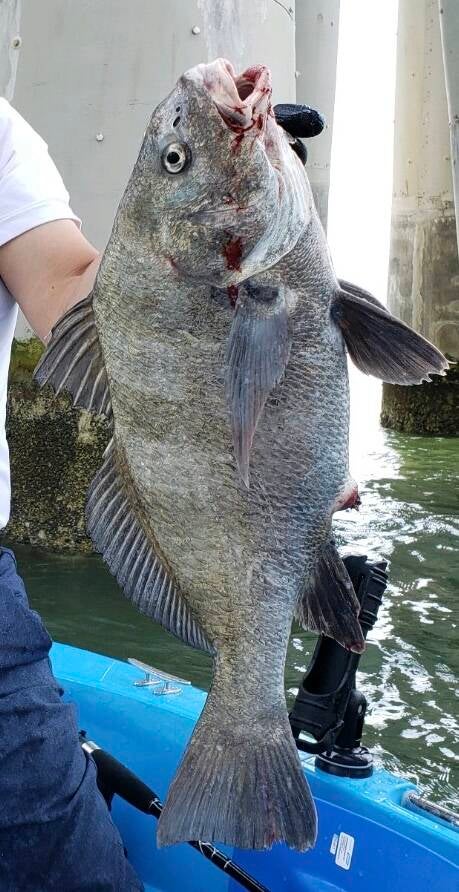
• Overview: Black Drum are massive, powerful bottom feeders that can grow over 40 to 50 pounds near Virginia piers. They travel in schools and use their raw crushing power to fight deep on the ocean floor.
• Fishing Tactics: Black Drum hunt using their powerful sense of smell. The absolute best bait is a whole fresh clam, a large piece of peeler crab, or live shrimp. Drop your bait right next to the pier pilings and keep your drag set tight so they don't wrap your line around the structures.
*(Danny's Trophy Catch: Check out the incredible photo below! This is a massive local Black Drum pulled straight up onto the pier deck.)*

2. Striped Bass / Striper (The East Coast Legends)
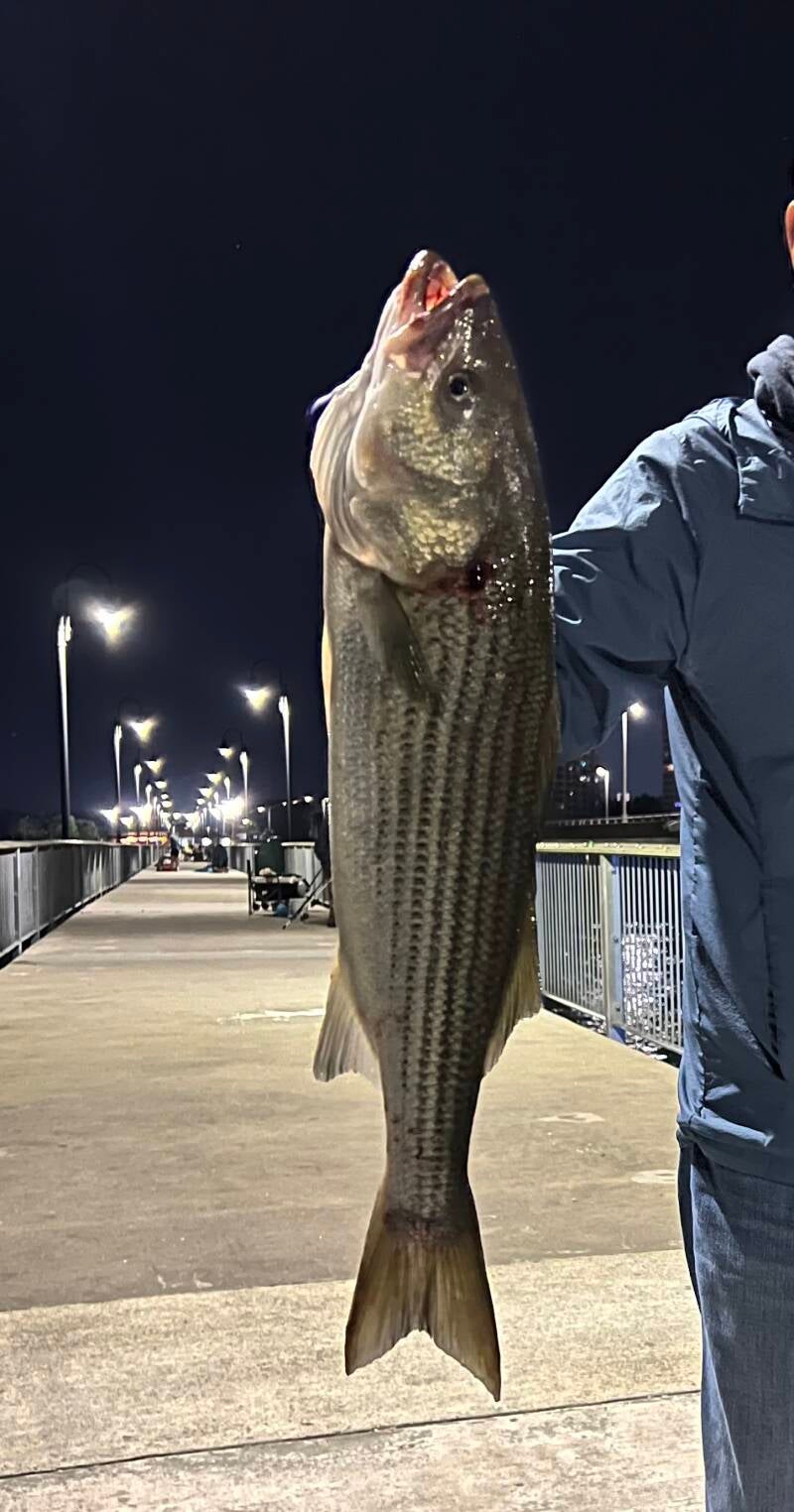
• Overview: Striped Bass, locally known as Rockfish, are fast, aggressive predatory fish with iconic silver bodies and dark horizontal stripes. They flood Virginia coastal waters during the cooler months and run aggressively under the pier lights at night.
• Fishing Tactics: Stripers are sight hunters that love chasing live baitfish. Hook a live spot or menhaden through the back, or cast large artificial lures like white bucktail jigs and swimbaits into the shadow lines created by the pier lights. Hold onto your rod securely, because their strikes are violently fast.

3. Essential Gear for Pier Monsters
Landing a 30-pound Striper or a 50-pound Black Drum from a high pier requires specific heavyweight equipment:
• Heavy-Duty Rod & Reel: You need a heavy action 8 to 9-foot rod paired with a 6000 to 8000 size saltwater spinning reel, spooled with a minimum 40 to 50 lb test braided line.
• Large Bridge/Drop Net: You can never reel a giant Black Drum or Striper straight up 15 feet into the air; your fishing line will instantly snap. A large, circular drop net is a non-negotiable tool to safely scoop up your monster catch from the water.

  • [Click Here] Check Danny’s Favorite Pier Rod Holder on Amazon.
  • [Click Here] Check Danny’s Saltwater Fishing Reel on Amazon

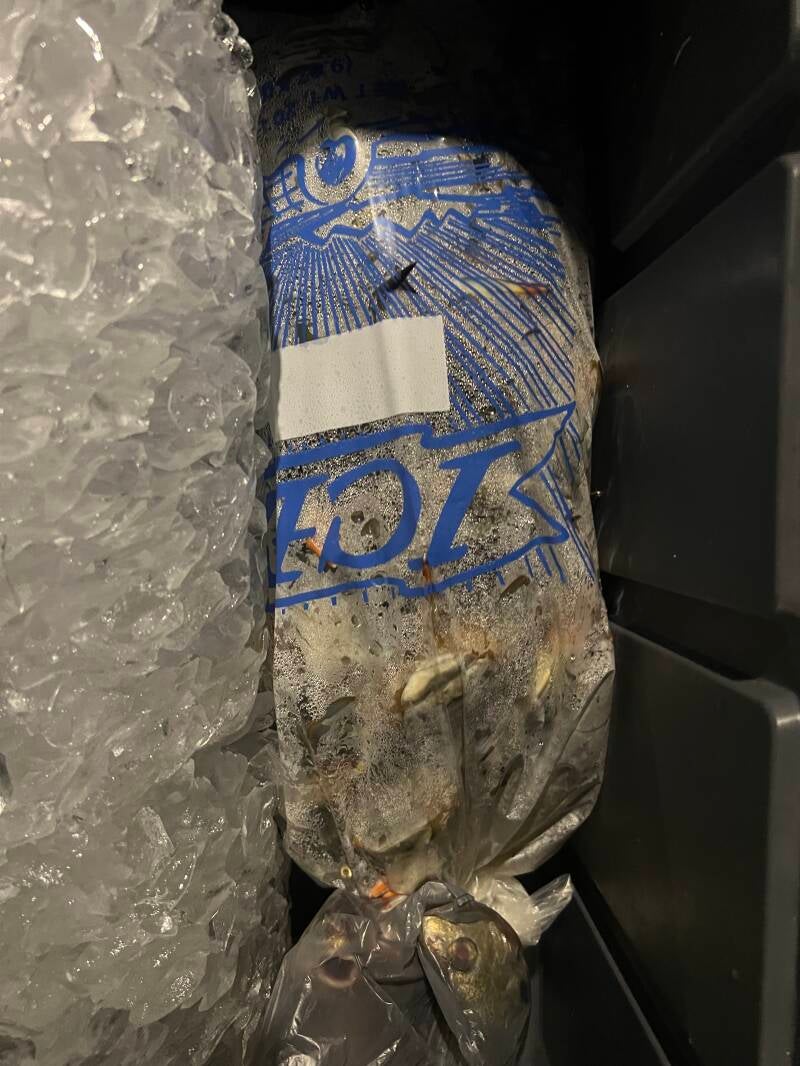
Virginia Pier Crabbing: How to Fill a 16-Lb Ice Bag with Blue Crabs Successfully!

Introduction
If you are looking for a rewarding outdoor activity in Virginia, crabbing from a public ocean pier is an absolute must-try. The coastal waters of the Chesapeake Bay and the Atlantic Ocean are swimming with delicious, heavy Blue Crabs. On our recent weekend trip to the local pier, we had an epic crabbing session and completely filled our 16-pound ice bag with fresh, legal-sized Blue Crabs! In this guide, we will share the exact gear, bait, and local regulations we followed to achieve this massive harvest.

1. Crucial Virginia Crabbing Regulations: Size Matters!
When you achieve a massive harvest like filling a 16-lb bag, the most important rule is to stay 100% legal. The Virginia Marine Resources Commission (VMRC) enforces strict rules to protect the crab population:
• Always Measure Your Catch: You must use a crab gauge to measure the distance from tip to tip across the hard shell. For hard crabs, the minimum legal size limit is 5 inches.
• Release the Sponge Crabs: We caught plenty of crabs, but we carefully inspected each one. Any female crab carrying a dark mass of eggs underneath (known as a "sponge crab") was immediately and gently released back into the ocean. Keeping your harvest legal ensures a sustainable ecosystem for everyone!

2. The Gear and Setup for Pier Crabbing
High ocean piers require a slightly different crabbing approach than shallow shorelines:
• Double-Ring Drop Nets & Pyramid Traps: These are perfect for throwing over the high pier railings. They lie flat on the ocean floor and trap the crabs instantly when you pull them up fast.
• Heavy Sinkers: Pier currents can be very strong. Adding a heavy lead sinker to the bottom of your crab trap keeps your bait steady on the floor and prevents the ocean current from drifting your gear away.

3. The Bait That Triggered the Feeding Frenzy
To pack a 16-lb ice bag in just a few hours, you need incredibly smelly bait that creates a strong underwater scent trail:
• Chicken Necks: This is the local standard for a reason. Chicken necks are cheap, tough, and blue crabs absolutely adore them.
• Fresh Cut Fish Carcasses (Our Secret Weapon): If you have leftover fish heads or carcasses from your pier fishing session (like Spot, Croaker, or Menhaden), tie them inside your crab trap. The fresh, bloody scent attracts the heavy male crabs ("Jimmy crabs") much faster than chicken alone.
*(Danny's 16-Lb Ice Bag Harvest: Take a look at the photo below! This is our actual photo of the 16-pound ice bag completely packed to the brim with heavy, legal-sized Blue Crabs from this weekend's trip.)*🦀 🦀 🦀

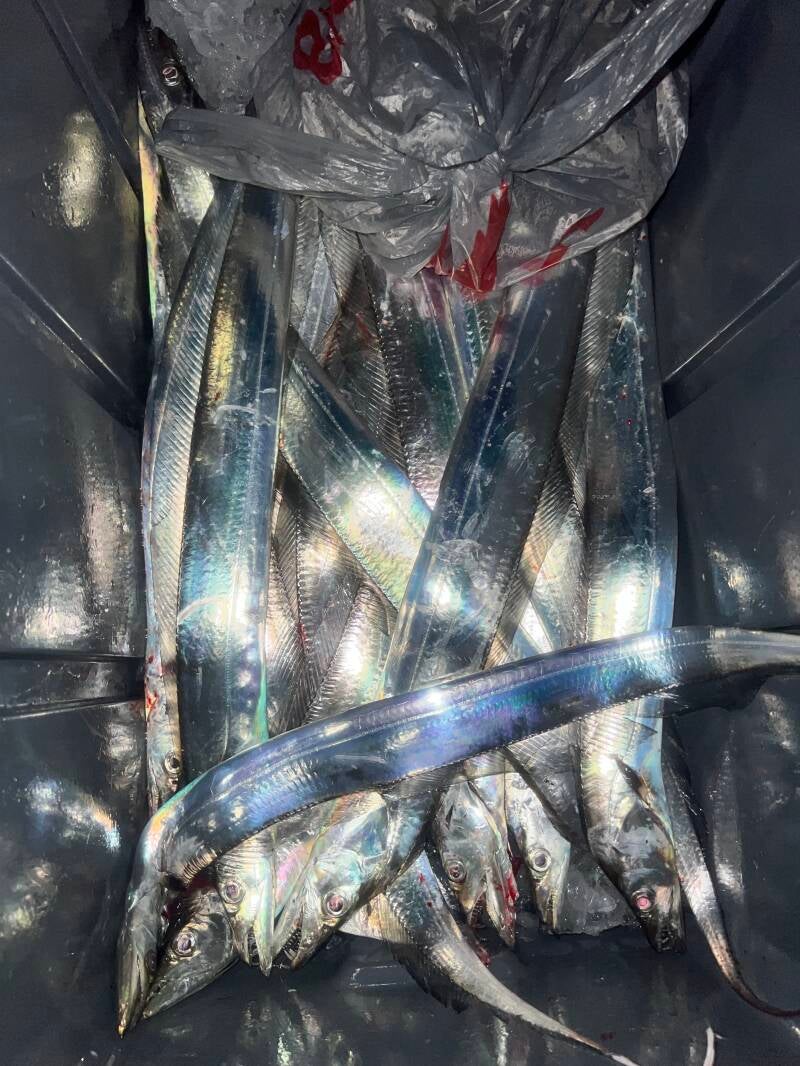
Virginia Pier Ribbonfish Fishing: How to Catch and Use Cutlassfish

Introduction
During the warm summer nights on Virginia’s ocean piers, you will often see anglers pulling up shiny, silver, snake-like creatures with razor-sharp teeth. These are Ribbonfish, also known as Atlantic Cutlassfish. While they look intimidating to beginners, Ribbonfish are incredibly valuable. In this guide, we will explain why local pier anglers love catching them, how to target them at night, and how to use them as the ultimate bait for big monster fish.

1. Why Ribbonfish are Highly Valued at Virginia Piers
• The Ultimate Trophy Bait: Ribbonfish have an intensely bright, metallic silver skin that reflects light beautifully under the water. When drifted or trolled as cut bait, their shiny flash triggers violent strikes from giant predators like King Mackerel, Cobia, and large Striped Bass.
• A Hidden Culinary Delicacy: While many local Western anglers release them, Ribbonfish are a highly prized delicacy in Asian cuisine. When filleted properly and pan-fried or braised with savory sauces, the white meat is incredibly sweet, tender, and delicious.

2. How to Catch Ribbonfish at Night (Danny's Tactics)
Ribbonfish are aggressive nocturnal hunters that come close to the pier pilings after the sun goes down:
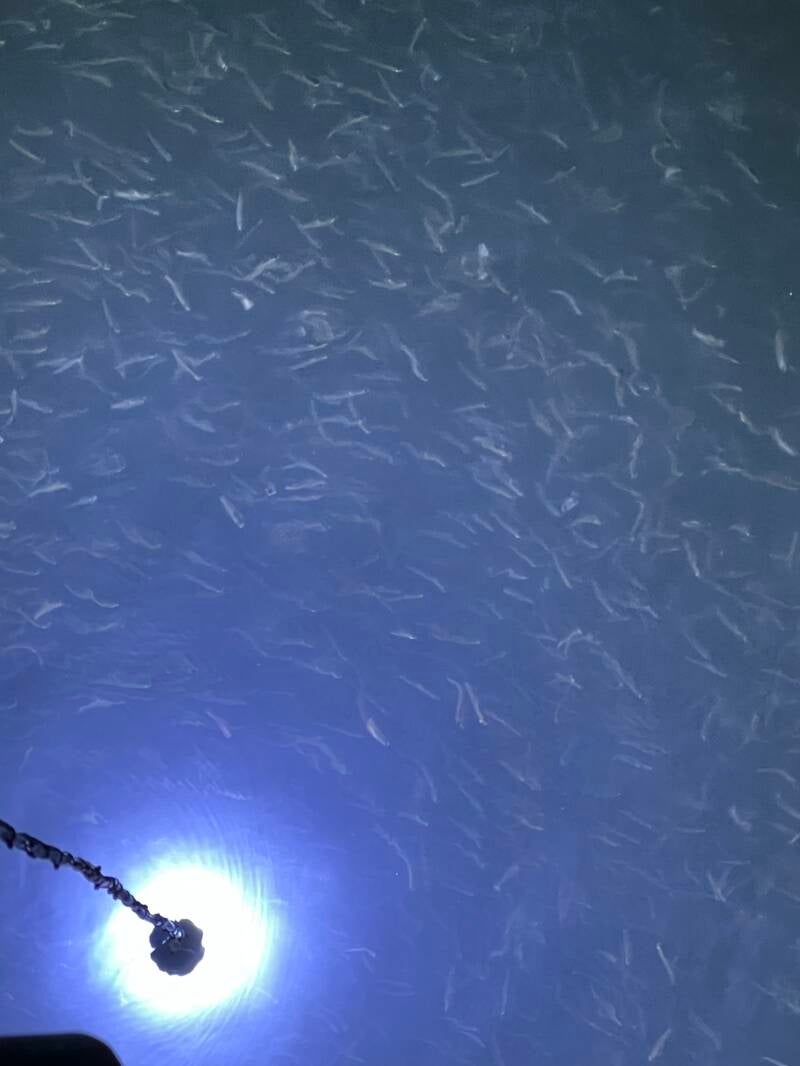
• Target the Light Shadow Lines: Pier lights attract millions of small baitfish. Ribbonfish sit right in the dark shadows beneath the pier lights, waiting to ambush their prey.
• The Right Lures and Rigs: Use shiny silver spoons, glowing jig heads with white soft plastic paddletails, or a live minnow on a float rig. Jerk your rod quickly to mimic a fleeing baitfish.
• Wire Leader is Non-Negotiable: Ribbonfish have long, needle-sharp teeth that can slice clean through standard fishing lines instantly. Always attach a short wire leader to protect your rigs!

James River Bridge Fishing Pier Guide: Sunset Views and Night Fishing Tactics

Introduction
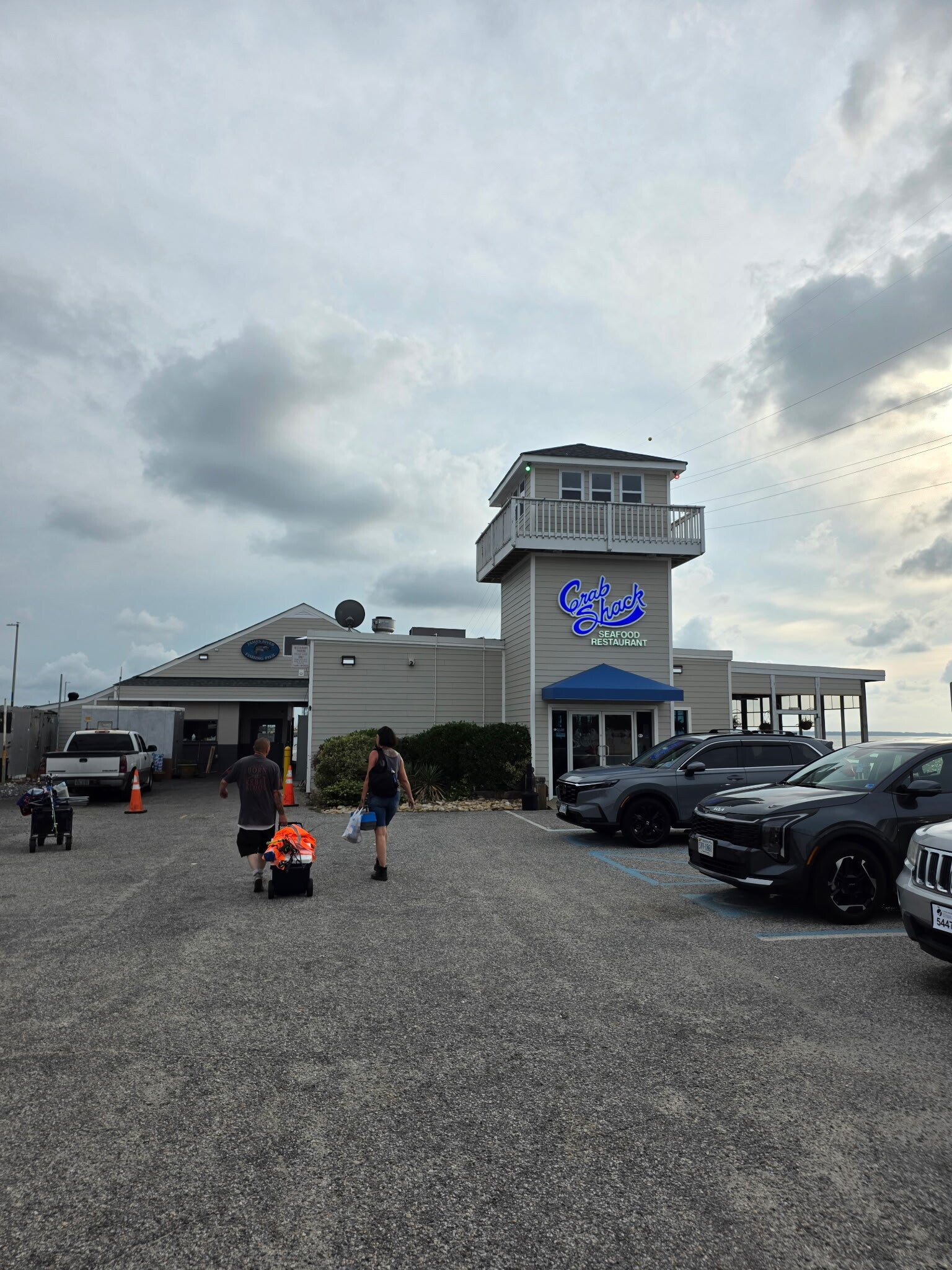
If you are looking for a spectacular saltwater fishing spot near Hampton and Newport News, Virginia, the James River Bridge Fishing Pier is an absolute gem. Reaching nearly 1,500 feet into the historic James River, this licensed public pier offers incredible access to deep-water currents without requiring an individual fishing license. On our recent trip, we captured the breathtaking beauty of the pier and targetted some local species. In this guide, we will review the pier's entry layout, share its stunning sunset scenery, and reveal the best tactics for a successful fishing trip here.

1. First Impressions: The Pier Entrance and Accessibility
When you arrive at the James River Bridge Fishing Pier, you are greeted by a well-organized entry area that makes loading your gear incredibly easy:
• Convenient Setup: The entrance features a dedicated bait and tackle shop where you can purchase fresh bait, snacks, and rent rods. The staff here are locals who will tell you exactly what fish are biting that day.
• Easy Loading: The walkway from the parking lot to the pier deck is wide and paved. This is the perfect environment to roll a heavy-duty, wheeled fishing cart packed with your heavy coolers, tackles, and rod setups without straining your back.
*(Danny's Tip: Look at the photo below! This is the official entrance to the pier, showing how easy it is to bring your gear.)*


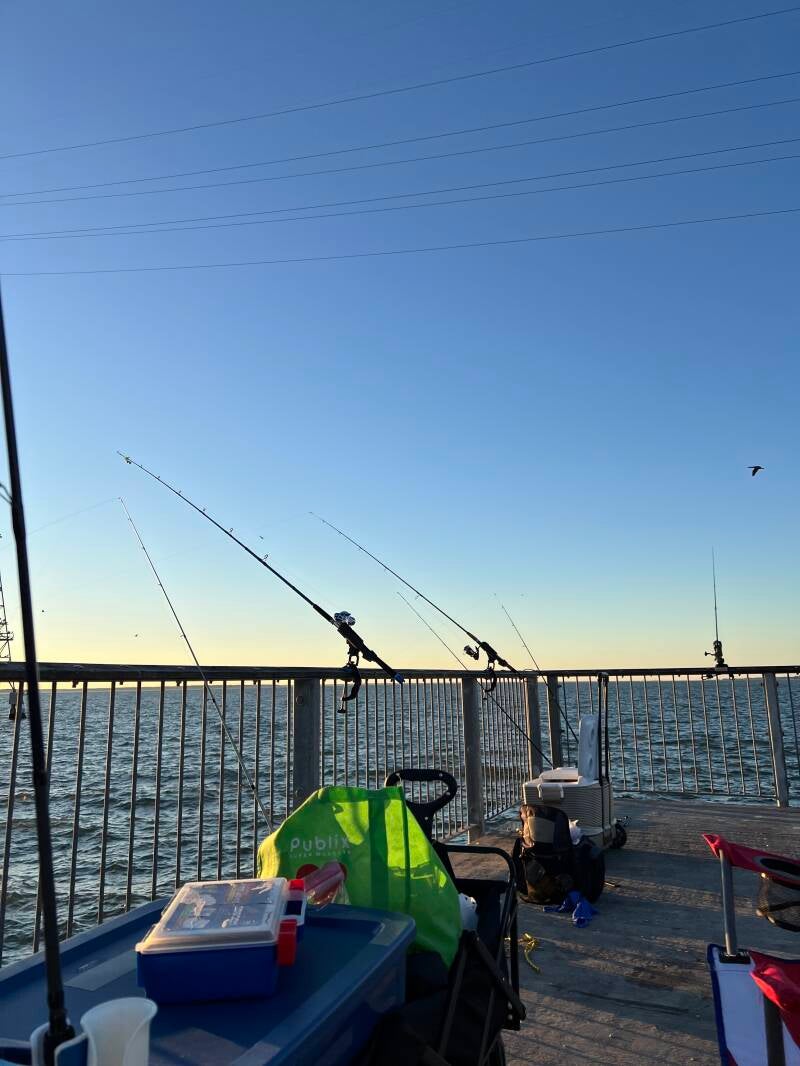
2. The Golden Hour: Catching the Majestic Sunset
One of the greatest highlights of the James River Pier is the panoramic view during the "Golden Hour." As the sun sets over the river, the sky turns into a brilliant display of orange, pink, and purple:
• The Best View in Hampton: Anglers and tourists alike gather along the railings just to witness this stunning view. It creates a serene, relaxing environment that makes the trip worthwhile even before the fish start biting.
• The Fishing Trigger: Experiencing the sunset is not just about the beauty; it marks the transition to night fishing. As darkness falls, the predatory fish activate and move closer to the pier lights to hunt.
*(Danny's Gallery: Take a look at the incredible sunset photo below. This is our actual shot of the breathtaking sunset casting a golden glow over the James River waters.)*


3. Night Fishing Tactics for James River Monsters
Once the sun goes down, the action at the James River Pier shifts into high gear. The deep channel beneath the bridge creates strong currents where massive fish travel:
• Target the Shadow Lines: The pier is equipped with powerful lights that shine down on the water. Baitfish like menhaden and mullet swarm these lights. Predatory fish like aggressive Striped Bass (Rockfish), Croaker, and Trout hide in the dark shadow lines just outside the light beams, waiting to ambush prey.
• Go Deep for Heavyweights: The river bottom around the bridge pilings is a favorite highway for giant Black Drum and large Flounder. Use fresh clams, peeler crabs, or cut bait weighted down heavily on the bottom to hold your rig steady against the strong river current.

Virginia Pier Fishing in the Rain: Tips for Stormy and Bad Weather Conditions

Introduction
We have all been there—you plan a weekend trip to the Virginia Beach or Norfolk fishing piers, but the forecast calls for heavy rain and bad weather. Should you cancel your trip, or is it actually a secret opportunity to catch massive fish? While fishing in a storm requires extra safety precautions, rain often triggers a feeding frenzy among local species. In this guide, we will share the essential tips for fishing in bad weather and explain how to stay safe while catching fish from a rainy ocean pier.

1. How Rain and Storms Affect Pier Fish Behavior
Rain drastically changes the water environment, and local predatory fish absolutely love it:
• Increased Feeding: Rainwater washes nutrients, insects, and small baitfish off the land and into the ocean. This sudden influx of food triggers bottom feeders like Croaker, Spot, and heavy Black Drum to feed aggressively.
• Choppy Waters and Cover: The falling rain breaks up the surface layer of the water, making it dark and murky. Large predator fish like Striped Bass (Rockfish) feel much safer moving into shallow waters to hunt because they cannot be easily spotted by birds or other predators.

2. Essential Gear to Survive a Rainy Pier Fishing Trip
To enjoy fishing in the rain without freezing or getting soaked, you need to prepare your gear properly. Here are the three items every bad-weather angler must have:
• Heavy-Duty Rain Gear: Skip the cheap plastic ponchos. A durable, windproof, and waterproof rain jacket and pants set will keep your body warm and dry against the harsh Atlantic ocean winds.
• Waterproof Tackle Storage: Saltwater rain will quickly rust your expensive metal hooks, spoons, and terminal tackles. Keep your equipment safe inside a sealed, waterproof utility tackle box.
• Heavy Weight Sinkers: Stormy weather brings strong ocean swells and heavy ripping currents beneath the pier. To keep your bait stable on the floor, upgrade your standard sinkers to a 4 oz or 5 oz pyramid sinker so the tide doesn't wash your rig away.

3. The #1 Safety Rule: Watch Out for Lightning!
While fishing in the rain is perfectly fine, fishing during a thunderstorm is extremely dangerous:
• Graphite Rod Warning: Your long, high-reaching graphite fishing rod acts like a perfect lightning rod on an open pier.
• Take Shelter Immediately: If you hear even a distant rumble of thunder or see a flash of lightning, reel in your lines immediately, pack your gear, and go inside the pier bait shop or your car. No fish is ever worth risking your life!

[Click here] waterproof tackle box

[Click here] Rain suit

Virginia Fall Pier Fishing Guide: How to Prepare for the Golden Season

Introduction
As the hot summer days fade and the water temperature drops, the most exciting time of the year for Virginia pier anglers officially begins. Autumn is the "Golden Season" for saltwater fishing. Massive schools of baitfish move along the coastline, closely followed by hungry, giant predators looking to fatten up for the winter. If you want to land a trophy fish at the Virginia Beach or Norfolk piers this fall, you need to prepare your strategy now. In this guide, we will break down the top species to target and how to prep your gear for the autumn run.

1. The Fall Heavyweights: What Species to Target
When the autumn crisp air hits Virginia, the pier action shifts from small bottom fish to legendary game fish:
• Striped Bass (Rockfish) Blitz: Fall is world-famous for the Striped Bass run. As the water cools down, massive Stripers patrol beneath the pier lights at night, aggressively chasing schools of menhaden.
• Red Drum and Black Drum: Huge, mature Drums move into the deep channels near the bridge pilings. Hooking a 40-pound drum from a high pier is a true fall milestone for local anglers.
• Jumbo Bluefish: Large, razor-toothed "chopper" Bluefish will push baitfish right up against the pier structure, creating insane surface feeding frenzies during the day.

2. Gear Prep: Upgrading for the Autumn Monsters
You cannot catch fall monsters with light summer tackle. It is time to audit your gear before you hit the pier:
• Inspect and Change Your Fishing Line: Big fall fish will easily snap old, worn-out lines. Strip off your old monofilament and spool your saltwater spinning reels with a fresh 30 to 40 lb test braided line to handle the heavy friction against the pier railings.
• Sharpen Your Hooks and Rigs: Fall predators have very tough, bony mouths. Swap out your small summer hooks for heavy-duty 6/0 or 8/0 circle hooks, and ensure you have high-quality wire leaders ready for the sharp-toothed Bluefish.
• Get Your Drop Net Ready: Reeling a 30-pound Striper straight up 15 feet into the air will break your rod instantly. Make sure your large, round bridge/drop net is clean, untangled, and securely attached to a strong nylon rope.

3. Tracking the Fall Bait Migration
To catch the big fish, you must find where the bait is moving. Fall fishing is all about timing:
• Follow the Mullet Run: Keep an eye on local fishing reports for the "Finger Mullet Migration." When millions of small baitfish start moving out of the inlets and past the ocean piers, the giant predators will be right behind them.
• Use Fresh Live Bait: While frozen bait works fine in the summer, live bait is king in the fall. Using a cast net to catch fresh live spot or menhaden, and hooking them live through the back, is the absolute best way to trigger a massive autumn strike.

The Ultimate Map for Fall Fishing: Top 3 Piers in Virginia and Best Spots

Introduction
When the crisp autumn air arrives in Virginia, local game fish start an aggressive feeding frenzy along the coast. If you want to maximize your chances of landing a trophy Striped Bass or a heavyweight Black Drum this season, choosing the right pier and the exact spot on the rail is critical. In this guide, we will break down the top 3 licensed fishing piers in the Virginia Beach and Norfolk areas, including their exact fall target species, location highlights, and insider tips.

1. Virginia Beach Fishing Pier (Oceanfront Hotspot)
• Location: 14th Street on the Virginia Beach Boardwalk.
• Peak Fall Hours: Open daily from 7 AM to 10 PM through September. Starting October 1st, it operates 8 AM to 8 PM (Mon-Thu) and 8 AM to 10 PM (Fri-Sun).
• The Best Spots on the Rail: Walk all the way to the very end of the pier (the deep-water T-section). This is the ultimate highway for migratory species.
• Fall Target Species: Excellent for catching aggressive Bluefish and Spanish Mackerel during the daytime using shiny silver spoons. At night, hold onto your heavy gear for large Striped Bass chasing bait under the pier lights.

2. Ocean View Fishing Pier (The Chesapeake Bay Giant in Norfolk)
• Location: 400 W Ocean View Ave, Norfolk, VA.
• Peak Fall Hours: The pier operates 24 hours a day, 7 days a week, making it the perfect destination for hardcore night anglers.
• The Best Spots on the Rail: The mid-pier sections near the deep structural pilings are fantastic for flatfish. If you are targetting heavy predators, setup your heavy gear at the far deep-water end.
• Fall Target Species: Famous for large, prize-winning Summer Flounder, massive Speckled Trout, and heavy autumn Black Drum feeding near the bottom structures.

3. James River Bridge Fishing Pier (The Deep River Channel in Newport News)
• Location: 2019 James River Bridge, Newport News, VA.
• Peak Fall Hours: Open Sunday through Tuesday from 9 AM to 11 PM, and open 24 hours a day from Wednesday through Saturday.
• The Best Spots on the Rail: Look for the light shadow lines created by the powerful overhead bridge lights at night. Stand just on the edge of the light beam.
• Fall Target Species: This is a prime location for massive Atlantic Croakers and hard-fighting Rockfish (Striped Bass). The deep river currents attract giant bottom feeders that love fresh clams and peeler crabs.

Best Baits and Lures for Fall Pier Fishing: Catching Striped Bass and Red Drum

Introduction
Autumn is the ultimate season for landing trophy-sized fish from Virginia’s public piers. As the water cools down, massive predatory fish like Striped Bass (Rockfish), Red Drum, and big Bluefish aggressively hunt along the coastline to prepare for winter. To catch these fall monsters, your standard summer bottom rigs won't cut it. You need to upgrade your bait strategy. In this guide, we will break down the absolute best live baits and artificial lures you should use to trigger a massive autumn strike.

1. Live Spot and Menhaden (The King of Fall Live Baits)
• Overview: Predators like giant Striped Bass and heavy Red Drum hunt by targeting schools of migrating baitfish. Nothing beats the natural presentation of a live struggling fish.
• How to Rig It: Catch fresh Spot or Menhaden (Bunker) using a cast net or a small Sabiki rig right from the pier. Hook the baitfish securely through the back or the nose using a heavy-duty 6/0 or 8/0 circle hook. Let it swim freely near the deep-water pilings or along the shadow lines of the pier lights at night.

2. Fresh Peeler Crab and Clams (For Heavyweight Drums)
• Overview: While Striped Bass love chasing moving bait, massive Black Drum and Red Drum cruise the ocean floor using their powerful sense of smell.
• How to Rig It: Cut fresh peeler crab or chunks of fresh sea clams into large pieces. Secure the bait onto a fish-finder rig (carolina rig) with a heavy pyramid sinker to keep it locked onto the bottom against the strong autumn currents. The intense, bloody scent trail will attract the heavyweights from afar.

3. Top Artificial Lures for the Autumn Blitz
When massive schools of Bluefish and Stripers push baitfish right against the pier deck, casting artificial lures can create non-stop action:
• White Bucktail Jigs: This is a legendary East Coast favorite. A 1 to 2 oz white bucktail jig tipped with a curly tail grub is irresistible to Striped Bass. Cast it into the current and bounce it slowly along the bottom near the pier pilings.
• Silver Spoons and Swimbaits: For daytime Bluefish frenzies, cast heavy silver spoons that flash brightly in the water, or use 4 to 5-inch soft plastic swimbaits that mimic fleeing mullet. Retrieve them quickly to trigger aggressive reaction strikes.

[Click here] Top Artificial Lures...

Virginia Fall Pier Fishing: Best Tides and Weather Timing for Trophy Fish

Introduction
During the autumn golden season, choosing the right day and time to hit the pier is just as important as choosing the right bait. Fall predatory fish like Striped Bass (Rockfish) and giant Red Drum are highly sensitive to water movements and temperature changes. If you just show up to the pier randomly, you might go home empty-handed. In this guide, we will analyze how tides, solunar cycles, and wind directions affect fall fish behavior, helping you hook a monster on your next trip.

1. The Best Tides for Fall Pier Action: Moving Water is King
In saltwater fishing, "No tide, no fish" is a golden rule, especially from high ocean piers during autumn:
• Incoming High Tide (The Golden Window): The absolute best time to fish a Virginia pier in the fall is 2 hours before and 1 hour after a high tide. The rising water pushes huge schools of migrating baitfish like mullet and menhaden right up against the pier structure. Predatory fish will follow them closely into the shallower water.
• Avoiding the Slack Water: When the tide hits its highest or lowest point and stops moving (known as slack water), the fish usually stop biting. Use this 30-minute window to rest, change your baits, or organize your heavy gear.

2. The Power of Night Fishing and Light Shadows
While daytime fishing is fun, the true fall monsters—especially large Striped Bass—are primarily nocturnal hunters:
• The Night Advantage: As water temperatures drop, big Stripers use the darkness as perfect cover. They stay deep during the day but move to the surface at night to ambush baitfish.
• Target the Pier Lights: Public piers in Virginia Beach and Norfolk have powerful overhead lights. Baitfish swarm these lights, and the predators sit just inside the dark shadow lines. Cast your live spot or bucktail jigs right on the edge of the light and shadow to trigger violent nighttime strikes.

3. Weather Patterns: The Ideal Wind and Barometric Pressure
Fall weather changes rapidly in Virginia, and smart anglers track the barometer closely:
• Dropping Barometric Pressure: Just before a fall rainstorm or front hits, the barometric pressure drops. This change triggers an intense feeding frenzy among local fish species as they instinctively try to eat before the storm gets rough.
• Watch the Wind Direction: For Virginia oceanfront piers, a gentle East or Northeast wind pushes fresh ocean water and baitfish directly toward the pier deck. However, a harsh West wind can push the bait out into the deeper ocean, making the pier action slower.

Virginia Fall Fishing: How to Catch Giant "Yellowbelly" Spot from the Piers

Introduction
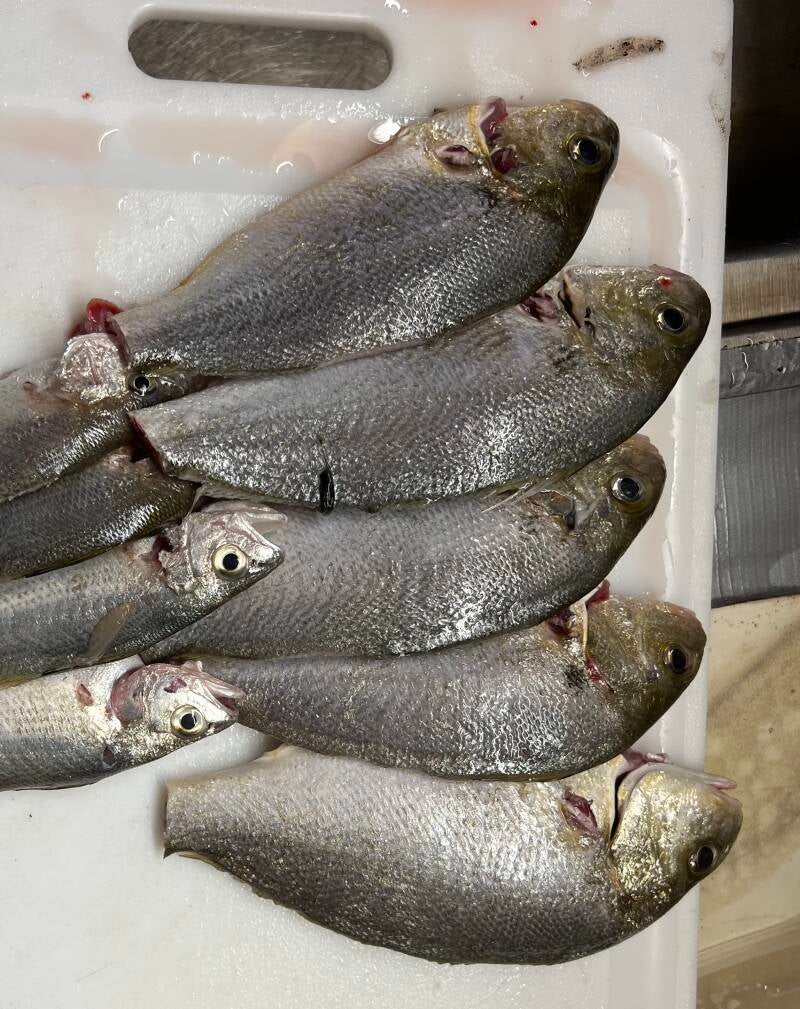
If you visit Virginia’s public fishing piers during the summer, you will catch plenty of small, hand-sized Spot. However, as the autumn golden season arrives, everything changes. The water temperature drops, triggering the famous fall run of giant, mature Spot—locally known as "Yellowbellies." These autumn Spot are thick, heavy, and packed with fat, making them both a thrilling catch on light tackle and an absolute delicacy on the dinner table. In this guide, we will share the best tactics to target these jumbo fall Spot.

1. Why "Yellowbelly" Spot Stand Out in Autumn
• Massive Size and Power: Unlike summer juveniles, fall Yellowbelly Spot are fully grown, often reaching 10 to 12 inches or more. They put up a surprisingly hard, rhythmic drum-like fight that catches many anglers off guard.
• The Ultimate Feast: In Virginia and the Carolinas, pan-fried fall Spot is a legendary local tradition. The cold autumn water makes their meat sweet, flaky, and rich in healthy oils.

2. Rigs and Bait Strategies for Jumbo Spot
Because fall Spot are larger and feeding aggressively, you need to adjust your summer setup slightly:
• The Multi-Hook Bottom Rig: A standard two-hook bottom rig (Top-Bottom rig or Sabiki rig) equipped with size #4 or #2 hooks is perfect. Summer rig hooks are usually too small, so upgrading to slightly larger, sharp hooks ensures you securely hook the bigger mouths of Yellowbellies.
• Bloodworms and Alternative Baits: Fresh bloodworms remain the undisputed king for Spot. Cut them into half-inch pieces so the scent spreads quickly. If bloodworms are sold out or too expensive at the local tackle shop, fresh squid strips or artificial baits like "Fishbites" (Bloodworm flavor) work wonders in the murky autumn surf.

3. Location and Timing on the Pier
Jumbo Spot travel in massive schools along the coastline as they migrate south:
• Find the Muddy Bottoms: Spot are classic bottom feeders that use their tiny chin barbels to feel for worms and crabs in the sand. Cast your rigs into the muddy or sandy areas right next to the pier pilings.
• Follow the Tides: The best feeding window for fall Spot is during the moving tide, especially 2 hours before a high tide. The rushing water pushes the schools closer to the pier structures where they can find easy food.

[Click here] Fishbites Bag

Catch and Cook: The Ultimate Garlic Butter Pan-Fried Virginia Fall Spot Recipe

Introduction
There is nothing more rewarding than catching a fresh bucket of giant "Yellowbelly" Spot from a Virginia pier and turning them into a delicious homemade feast. Because autumn Spot are fully grown and packed with natural rich oils, their meat is incredibly sweet, flaky, and tender. While deep-frying is a local favorite, pan-frying them in fresh garlic butter preserves the natural flavors and creates a perfectly crispy skin. In this guide, we will share the ultimate local recipe to cook your fresh autumn harvest to perfection.

1. Preparing Your Freshly Caught Spot
Before heating up the pan, proper cleaning is essential to ensure the best taste:
• Clean Immediately: Keep your caught Spot on ice in your cooler to maintain freshness. Scale the fish thoroughly from tail to head, remove the entrails, and cut off the head if preferred.
• Rinse and Dry: Rinse the cleaned fish under cold water. Use a paper towel to pat the fish completely dry inside and out. If the skin is wet, it won’t get crispy in the pan.
• Score the Skin: Make 2 or 3 shallow diagonal cuts on both sides of the fish. This allows the delicious garlic butter seasoning to penetrate deep into the thick autumn meat.

2. The Garlic Butter Ingredient Checklist
Gather these simple ingredients to create a restaurant-quality meal right in your kitchen:
• Fresh Spot (3-4 cleaned whole fish)
• All-Purpose Flour or Cornstarch (for a light, crispy coating)
• Salt and Black Pepper (to taste)
• 3 tablespoons of Unsalted Butter
• 4 cloves of Fresh Garlic (finely minced)
• 1 Lemon (sliced into wedges)
• Optional: A pinch of Paprika or fresh Parsley for a beautiful finish

3. Step-by-Step Cooking Instructions
these steps to achieve the perfect crispy, golden-brown skin and juicy meat:
• Step 1: Lightly season the dried fish with salt and black pepper on both sides. Dust the fish with a very thin layer of flour, shaking off any excess.
• Step 2: Heat a large skillet over medium-high heat and melt 2 tablespoons of butter along with a splash of cooking oil (to prevent the butter from burning).
• Step 3: Carefully place the fish in the hot skillet. Fry for 4 to 5 minutes on one side without moving it, until the skin turns deep golden-brown and crispy. Flip gently to fry the other side.
• Step 4: Turn the heat down to medium. Add the remaining 1 tablespoon of butter and the minced garlic to the pan. Spoon the sizzling melted garlic butter continuously over the fish for another 2 minutes.
• Step 5: Squeeze fresh lemon juice over the crispy fish right before turning off the heat. Garnish with parsley and serve immediately while hot!

[Click here] Cast Iron Skillet

Virginia Fall Night Fishing Guide: Essential Safety Gear and Rules for Pier Anglers

Introduction
Autumn nights on Virginia’s public fishing piers offer some of the most exciting action of the year. As the sun sets over the Chesapeake Bay or the Atlantic Ocean, trophy species like monster Striped Bass (Rockfish) and heavy Black Drum move under the pier lights to hunt. However, fall night fishing presents unique challenges, including freezing coastal winds, dark environments, and rough autumn swells. To ensure your trip is both successful and safe, you must prepare the right protective gear. In this guide, we will break down the non-negotiable safety equipment every local night angler needs.

1. High-Lumen Headlamps and Navigation Lights
When fishing from a high ocean pier after dark, visibility is your number one priority:
• Hands-Free Visibility: Skip the standard hand-held flashlights. You need both hands free to tie terminal knots, bait your hooks, and safely wrangle big fish. A high-lumen, waterproof LED headlamp with a red-light mode (which doesn't spook the fish or ruin your night vision) is essential.
• Illuminating Your Work Area: Keep your tackle cooler and rod setups neatly organized under a reliable light source so you don’t accidentally step on a loose hook or a razor-sharp fillet knife in the dark.

2. Dressing for Harsh Atlantic Coastal Winds
Don't underestimate how fast the temperature drops over open saltwater once the sun goes down:
• Layering is Key: The autumn breeze blowing off the ocean feels twice as cold as it does inland. Dress in three distinct layers—a moisture-wicking base layer, a warm fleece middle layer, and a heavy-duty, windproof, and waterproof outer rain jacket.
• Protecting Your Extremities: Pack a pair of fingerless fishing gloves to keep your hands warm while maintaining the finger sensitivity required to knot fine braided lines. A thermal beanie to trap your body heat is also highly recommended.

3. Pier Safety Rules: Structure awareness and Fish Handling
Hunting for fall monsters in the dark requires extra caution around the pier structures:
• Watch Your Footing: High ocean swells can cause saltwater spray to splash up onto the wooden or concrete pier decks, making the walkways incredibly slick. Wear non-slip, rubber-soled shoes or boots to prevent nasty slips and falls.
• Safely Handling Large Predators: Bluefish and Striped Bass caught at night hit hard and possess incredibly sharp teeth and dorsal spines. Never lip a fish with your bare hands in the dark. Always use heavy-duty fish grippers and pliers to unhook your catches safely without getting bit or sliced.

Virginia Pier Fishing: Full Moon Tides and Speckled Trout Size Limits Explained

Introduction
Have you ever fished a Virginia ocean pier during a full moon? You might notice that the wind howls stronger and the high tide rises incredibly fast, flooding the area with heavy ripping currents. While these harsh full moon conditions can make fishing tough, they often push schools of hungry Speckled Trout (Spotted Seatrout) right up against the pier structure. On a recent weekend trip, we encountered exactly this—strong tides and a wave of active, but mostly undersized, Speckled Trout. In this guide, we will break down the essential full moon tactics and review the strict Virginia regulations regarding trout size limits.

1. The Full Moon Effect: Dealing with High Water and Strong Currents
A full moon triggers "spring tides," which cause the highest high tides and the strongest water movements of the month:
• Ripping Currents: The heavy volume of moving water can easily wash away standard summer bottom rigs. To keep your baits stable on the ocean floor near the bridge pilings, you must upgrade your lead sinkers to heavy 4 oz or 5 oz pyramid sinkers.
• The Trout Behavior: Small baitfish get pushed around by the powerful currents, and aggressive Speckled Trout use this chaotic water as perfect cover to hunt. They flock to the pier light shadow lines at night to ambush their prey.

2. Virginia Speckled Trout Regulations: Staying 100% Legal
Because Speckled Trout are highly protected game fish along the East Coast, the Virginia Marine Resources Commission (VMRC) enforces strict catch boundaries:
• The Minimum Size Limit: To keep a Speckled Trout, it must measure a minimum of 14 inches in total length (from the tip of the snout to the extreme end of the tail). Anything less than 14 inches is considered a juvenile and must be gently and immediately released back into the water.
• Daily Bag Limits: A recreational angler can keep a maximum of 4 legal-sized Speckled Trout per day. Out of those 4 fish, only one is allowed to be 24 inches or greater. Following these rules ensures that our beautiful local fishery stays healthy for years to come!

3. Quick Tips for Catching Legal-Sized Fall Trout
If you are catching a high volume of undersized trout, try these 2 adjustments to filter out the small ones and hook the keepers:
• Increase Your Bait Size: Small trout will aggressively strike small baits. Switch to a larger 4-inch or 5-inch live finger mullet, or use large artificial soft plastic paddle tails on a heavy jig head. This prevents the smaller fish from biting.
• Use a Circle Hook: When fishing with live bait, ensure you use a size 4/0 or 5/0 circle hook. This guarantees that if an undersized fish bites, the hook will safely catch the corner of its mouth, allowing you to release the fish without causing structural harm.

[Click here] Fishing Measuring Ruler/Tape

Virginia Winter Fishing: Can You Catch Black Drum and Sheepshead from Piers?

Introduction
As the freezing winter winds hit the Virginia coastline, the active saltwater fishing scene undergoes a dramatic shift. Many local anglers wonder if they can still hook the legendary heavyweight Black Drum or the hard-fighting Sheepshead from public piers during the cold months. While Autumn provides an incredible run of these species, winter presents a completely different challenge. In this guide, we will explain where Black Drum and Sheepshead migrate during the winter and what realistic species you can target from the pier instead.

1. The Winter Migration: Where Do Black Drum and Sheepshead Go?
Both Black Drum and Sheepshead are highly sensitive to water temperature drops, and they follow strict winter survival routes:

• Black Drum Offshore Move: When shallow coastal waters around Virginia Beach drop below 50°F, Black Drum leave the pier structures. They migrate to deeper offshore waters, such as ocean reefs and shipwrecks, where the water remains stable and warmer.
• Sheepshead Heading South: Sheepshead are even more sensitive to the cold. Once the water temperature dips, they completely abandon the pier pilings. They migrate far south toward the warmer coastal waters of North Carolina and Florida, or move to deep offshore natural ledges. Therefore, catching either species from a Virginia pier in winter is nearly impossible.

2. Alternative Winter Targets for Pier Anglers
Just because the Drum and Sheepshead have moved away doesn't mean the pier is dead. As winter sets in, you can target these cold-water favorites instead:
• The Late Striped Bass (Rockfish) Run: Striped Bass love the cold! Late November through December is a prime time to catch large Stripers under the night lights as they chase the final schools of baitfish.
• Tautog (Blackfish): Tautog are legendary cold-water fighters that live around the rocky pier pilings and bridge structures. They stay in Virginia all winter long and love feeding on pieces of fresh crab or clam right on the bottom.

3. Winter Gear Prep for Dedicated Anglers
If you plan to brave the freezing winter winds on an open pier, adjust your tactics:
• Use Highly Scented Baits: In cold water, fish move slowly to conserve energy. Use fresh clams or peeler crabs to create a powerful underwater scent trail that triggers sluggish fish to bite.
• Upgrade Your Thermal Protection: Heavy winds off the open ocean cause extreme wind chill. Wear insulated waterproof boots, wind-resistant outer shells, and pack hand warmers inside your fishing gloves to stay comfortable on the rail.

Virginia Pier Fishing: Catching American Eels and How to Use Them as Trophy Bait

Introduction
Even on slow fishing days when the big game fish aren't biting, Virginia’s piers and tidal rivers always hold surprises. On a quiet recent trip where the overall action was slow, we still managed to pull up two or three healthy American Eels right from the bottom. While many beginners view eels as slimy line-tanglers, experienced local anglers know that catching a few American Eels is actually like finding gold. In this guide, we will share how to handle them, the strict Virginia regulations you must follow, and why they are the ultimate secret weapon for catching trophy Striped Bass and monster Blue Catfish.

1. Why American Eels Are "Gold" for Virginia Anglers
• The Ultimate Live Bait: Large predatory fish—especially massive Striped Bass (Rockfish) and giant Chesapeake Bay Blue Catfish—cannot resist the scent and movement of a live American Eel. Hooking a live eel through the lips and drifting it near the pier pilings at night is a legendary East Coast tactic for landing personal-best trophies.
• Strong Scent Trail: Even when cut into chunks, eels have tough skin that stays on the hook well and releases a rich, oily scent trail that attracts predators in murky water.
• Great Table Fare: In many cultures, fresh American Eel is considered a delicious delicacy when properly skinned, filleted, and grilled or pan-fried with savory sauces.

2. Virginia American Eel Regulations: Know the Rules!
Before you toss an eel into your bait bucket or cooler, make sure you follow the rules set by the Virginia Marine Resources Commission (VMRC) and the Department of Wildlife Resources:
• Minimum Size Limit: Any American Eel you keep must measure at least 9 inches in total length (from the tip of the snout to the end of the tail). Anything smaller is considered an "elver" and must be released immediately.
• Daily Possession Limit: Recreational anglers are allowed to keep up to 25 eels per day per person. Catching two or three on a slow day gives you the perfect amount of fresh bait for your next big outing!

3. Tips for Catching and Handling Eels on a Pier
Eels are nocturnal bottom dwellers that love hiding near rocks, mud, and wooden pier structures:
• Bait and Rigging: Eels hunt primarily by smell after dark. Use a simple bottom rig with a small size #4 or #6 hook baited with nightcrawlers, cut squid, or pieces of fresh spot.
• Handling Slimy Eels: Eels are covered in a thick protective slime and love to twist into knots, tangling your line. Keep a rough rag, a specialized fish gripper, or dip your hands in dry sand to get a firm grip while unhooking them quickly.

[Click here] Fish Gripper

Winter Pier Fishing Gear Guide: How to Stay Warm in Freezing Coastal Winds

Introduction
Fishing from an open saltwater pier in Virginia during late autumn and winter can be brutally cold. With no walls to block the wind blowing straight off the Chesapeake Bay or the Atlantic Ocean, the wind chill can quickly ruin an otherwise great trip. However, if you dress properly and pack the right thermal gear, you can stay warm and comfortable while targeting cold-water species like Tautog and late-season Striped Bass. Here is the ultimate winter gear checklist for pier anglers.

1. The Three-Layer Clothing System
Never rely on a single heavy winter coat. Layering traps body heat and allows you to adjust as temperatures change:
• Moisture-Wicking Base Layer: Start with thermal tops and bottoms made of merino wool or synthetic polyester. Avoid cotton at all costs, as it holds sweat and makes you freeze.
• Insulating Middle Layer: Wear a thick fleece pullover or a lightweight down vest to lock in your body heat.
• Windproof and Waterproof Outer Shell: Your outer jacket and bibs must block harsh ocean winds and saltwater spray. A breathable, waterproof rain suit worn over your warm layers is the gold standard for pier fishing.

2. Protecting Your Hands, Feet, and Head
You lose the most body heat through your extremities, and cold fingers make tying fishing knots nearly impossible:
• Convertible Fishing Gloves: Look for fleece or neoprene gloves with fold-back thumb and index finger caps. This keeps your palms warm while letting you expose your fingertips to bait hooks and tie knots.
• Insulated Waterproof Boots: Concrete and wooden pier decks pull heat straight out of your feet. Wear thick wool socks inside insulated rubber deck boots.
• Thermal Beanie and Neck Gaiter: A warm fleece beanie paired with a windproof neck gaiter will protect your ears, neck, and face from biting coastal gusts.

3. Extra Comfort Items for the Pier
• Rechargeable Hand Warmers: Slip electric hand warmers into your jacket pockets to quickly thaw out frozen fingers between bites.
• Insulated Thermos: Bring a heavy-duty stainless steel thermos filled with hot coffee, tea, or broth to warm yourself up from the inside out.